

The Ins and Outs of the Epoxy Flooring Industry
The epoxy flooring industry has become a significant component of modern construction and design solutions, demonstrating remarkable growth over recent years. Its relevance is underscored by its versatility and application across various environments, from residential to industrial. The appeal of epoxy flooring lies in its durability, aesthetic value, and easy maintenance, making it a preferred choice for those seeking to upgrade their spaces. Furthermore, the innovation within this field continues to expand its possibilities, integrating new technologies that enhance its capabilities. This comprehensive article will explore the intricacies of the epoxy flooring industry, providing insight into its development, application, and future.
1. Understanding Epoxy Flooring
1.1 What is Epoxy Flooring?
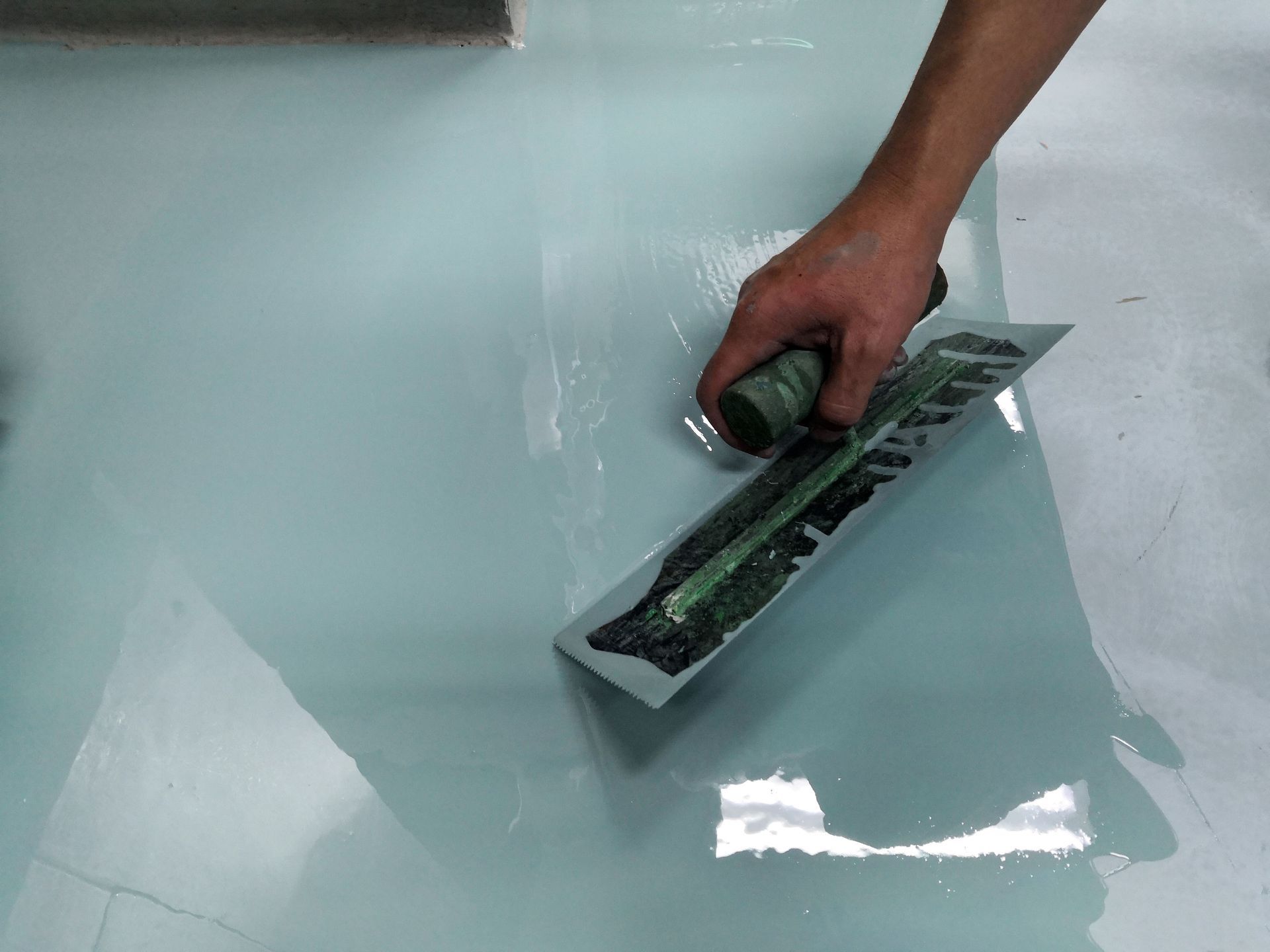
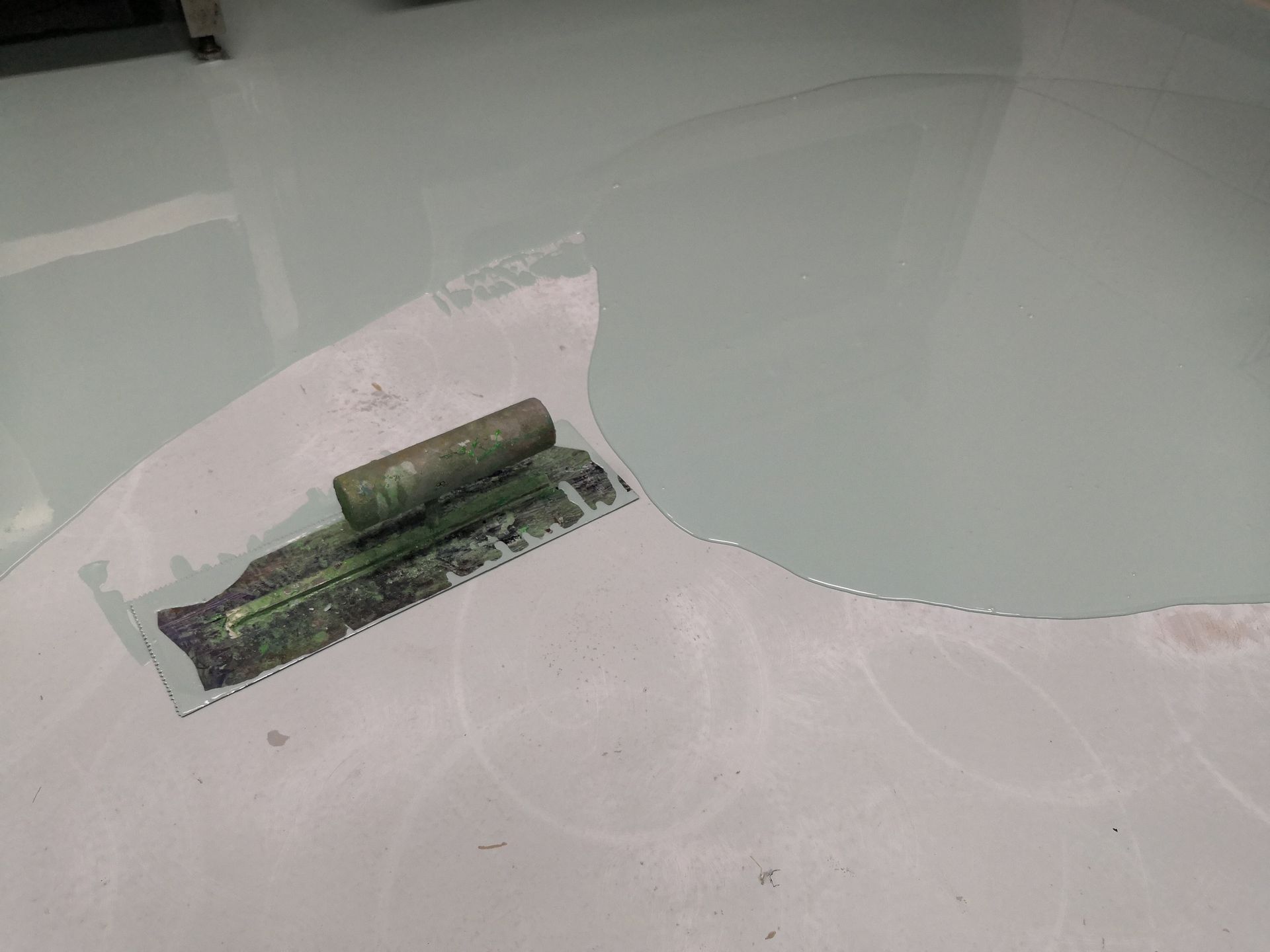
Epoxy flooring consists of multiple layers of epoxy, a thermosetting polymer, applied to a floor’s surface to a thickness of at least two millimeters. Known for its durable and resilient nature, epoxy creates a seamless, shiny finish that's both aesthetically pleasing and practical. The strength of epoxy flooring comes from the result of mixing resin and a hardening chemical, which reacts to form a rigid plastic that withstands wear and tear. Widely used in both residential and commercial settings, it is often favored for its versatility, allowing it to adhere to numerous substrates, including concrete, metal, and wood. Moreover, the customization options with epoxy, such as colors and patterns, enhance its appeal to a broad audience.
1.2 Types of Epoxy Flooring
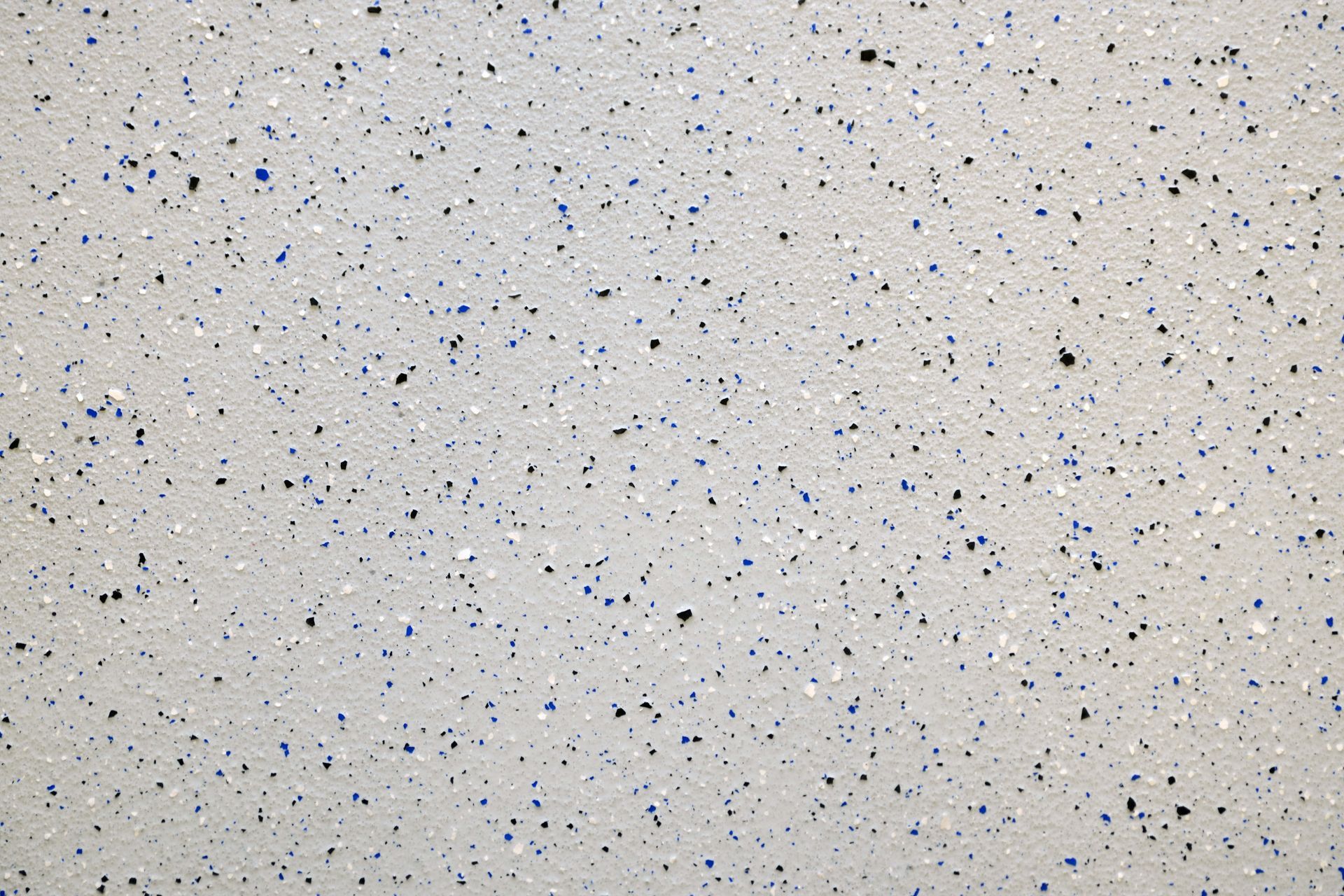
There are several types of epoxy flooring available, each designed to meet different needs and preferences. Solid epoxy flooring is known for its high durability and is commonly used in areas with heavy traffic, such as warehouses. Decorative flake epoxy involves sprinkling flakes onto the epoxy layer, providing a textured surface with visual appeal, often used in retail and showroom spaces. Self-dispersing epoxy is ideal for industrial environments, as it offers excellent mechanical strength and slip resistance. A clear understanding of these varied types can help consumers make informed decisions fitting their specific requirements.
1.3 Applications of Epoxy Flooring
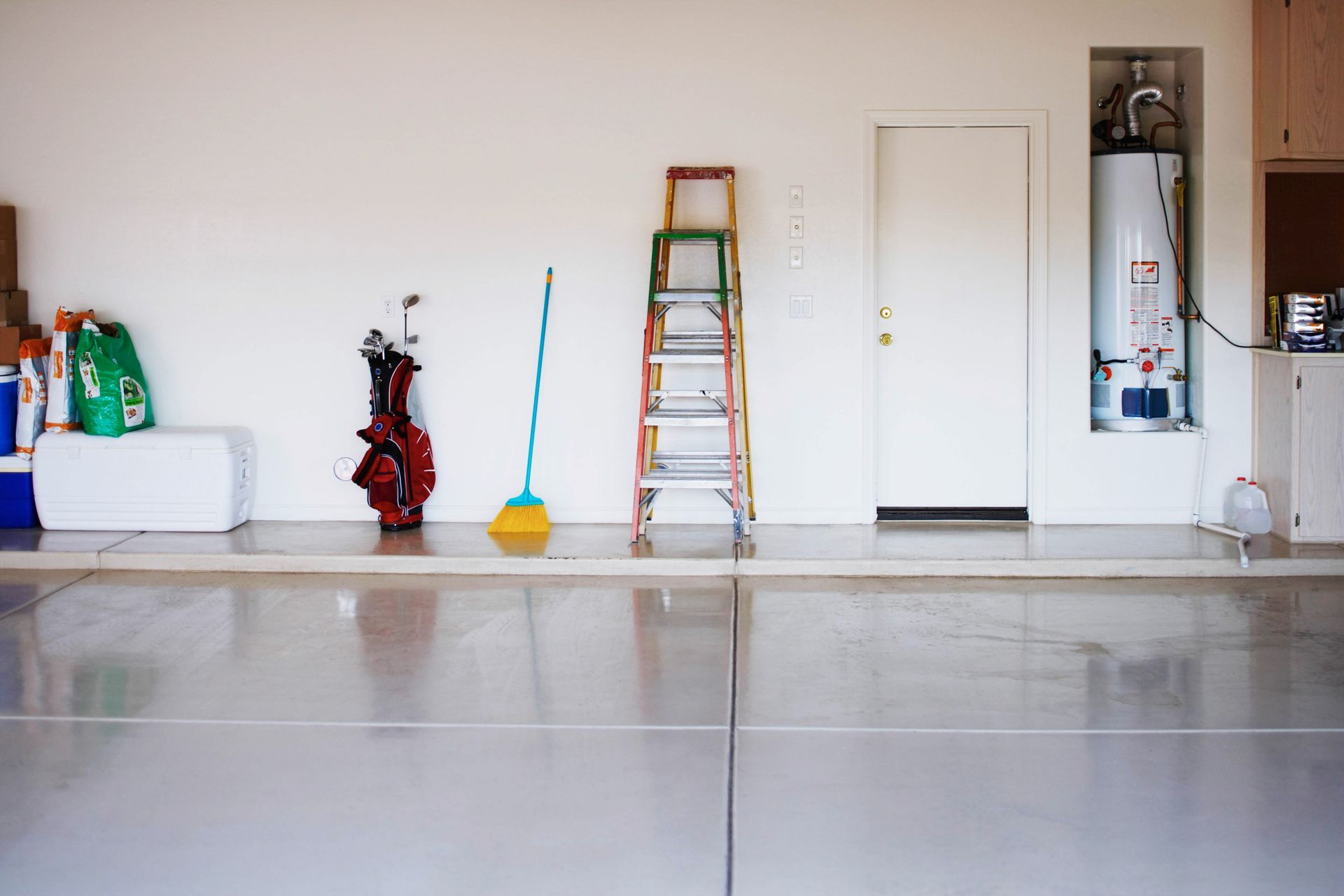
Epoxy flooring's applications are diverse, spanning across different sectors and serving a multitude of functions. In residential settings, it's often used in basements and garages, providing a waterproof and easily cleanable floor surface. In commercial spaces, such as restaurants and hotels, epoxy floors are appreciated for their aesthetic quality and resistance to spills and stains. Industrial applications benefit from epoxy flooring’s ability to withstand heavy machinery and significant foot traffic without deteriorating. The healthcare industry also utilizes this flooring type due to its hygienic properties and compliance with safety regulations. This adaptability in usage underscores epoxy flooring's broad appeal and practical benefits.
1.4 Benefits of Using Epoxy Flooring
The benefits of using epoxy flooring extend beyond its aesthetic appeal, encompassing durability, resistance, and ease of maintenance. Its long-lasting nature makes it a cost-effective investment for both commercial and residential properties. Epoxy is resistant to water, chemicals, and oil, preventing stains and damage to the subfloor. The smooth and seamless surface it creates helps in maintaining a clean and hygienic environment, crucial for many industries. Additionally, the ability to customize epoxy flooring with various designs and colors allows for creativity and personalization in space design.
1.5 Challenges Associated with Epoxy Floors
Despite its advantages, epoxy flooring presents certain challenges that users must consider. The installation process requires precision and expertise, as improper installation can result in imperfections such as bubbles and peeling. Environmental factors, such as temperature and humidity, can also affect application and curing, leading to potential failures if not managed correctly. Over time, while durable, epoxy floors can become scratched and lose their shine, necessitating periodic maintenance and recoating. According to Grand View Research, despite these challenges, epoxy coatings still account for more than 40% of the revenue in the concrete coating industry. It's crucial for users to weigh these aspects against the benefits when choosing epoxy flooring.
2. The History and Evolution of Epoxy Flooring
2.1 Origins of Epoxy Flooring
The inception of epoxy flooring can be traced back to the 1930s when the first reactive polymers were synthesized, paving the way for epoxy resins. Initially developed for industrial uses due to their strong adhesive properties, epoxy resins quickly became a staple in construction and manufacturing. Over the decades, advancements in polymer chemistry allowed for the enhancement of these materials, leading to the epoxy flooring systems known today. The increased understanding of its mechanical properties allowed epoxy to break into various markets outside of industrial scopes. This historical context highlights how foundational innovations have shaped its current use.
2.2 Technological Advancements Over the Decades
Technological advancements over the years have significantly transformed the epoxy flooring industry, contributing to its modern-day applications and performance. Innovations in resin formulations have resulted in enhanced properties, such as increased durability and faster curing times. The development of water-based epoxies has expanded the environmental friendliness of these products, appealing to eco-conscious consumers. Advances in additive technologies have also improved aesthetic options, enabling more choices in textures, colors, and finishes to cater to various design preferences. These advancements continue to push the boundaries of what epoxy flooring can offer, ensuring its relevance and adaptability in the market.
2.3 Epoxy Flooring in Commercial Vs. Residential Uses
Epoxy flooring has transcended its industrial origins to become a favored option in both commercial and residential environments, each with distinct demands and expectations. In commercial spaces, durability and compliance with safety standards are paramount, making epoxy an excellent choice for high-traffic areas such as malls and hospitals. Residential applications, on the other hand, emphasize decorative aspects, with homeowners often seeking customized, aesthetic solutions for areas like kitchens and basements. The flexibility of epoxy flooring to meet these varying needs exemplifies its expanding role across different sectors. By understanding and catering to the specific requirements of each market, epoxy has cemented its place in diverse flooring applications.
3. The Manufacturing Process
3.1 Raw Materials Used in Epoxy Production
The production of epoxy flooring involves the use of various raw materials, each playing a crucial role in the final product's properties. The primary components of epoxy resin systems are the resin itself, typically derived from epichlorohydrin and bisphenol-A, and a curing agent or hardener. Fillers and additives, such as pigments and stabilizers, are incorporated to enhance performance characteristics and achieve desired finishes. The quality and sourcing of these materials significantly impact the strength, durability, and safety of the resulting flooring. Ensuring high-quality raw materials is essential for maintaining industry standards and producing superior epoxy flooring solutions.
3.2 Innovative Techniques in Manufacturing
Innovative techniques in epoxy manufacturing have led to advancements in performance, efficiency, and environmental impact. One such method involves the precision mixing of materials, ensuring a consistent blend that enhances the flooring's integrity and appearance. Automated systems are increasingly used for scaling production, reducing human error, and improving output quality. The development of UV-curable epoxies represents another innovation, offering quicker setting times and reducing downtime for installations. These pioneering techniques not only streamline manufacturing processes but also contribute to more sustainable and cost-effective flooring solutions. By continually refining production methods, the epoxy industry fosters ongoing improvement and competitiveness.
Quality control in the epoxy flooring industry is vital to ensure safety, performance, and customer satisfaction. Comprehensive testing protocols are established to evaluate the mechanical properties, chemical resistance, and aesthetic consistency of epoxy products. Regulatory standards, such as ISO certifications, guide the industry in maintaining high-quality production and ethical practices. Regular audits and assessments by independent organizations help certify compliance and inspire consumer confidence. Through rigorous quality control measures, manufacturers commit to delivering reliable and durable flooring solutions, further reinforcing the reputation of epoxy flooring within various markets. The emphasis on quality underscores the industry's dedication to excellence and innovation. Be sure to reach out to Flooring Install Services today to learn more about our professional epoxy flooring!
Share On: